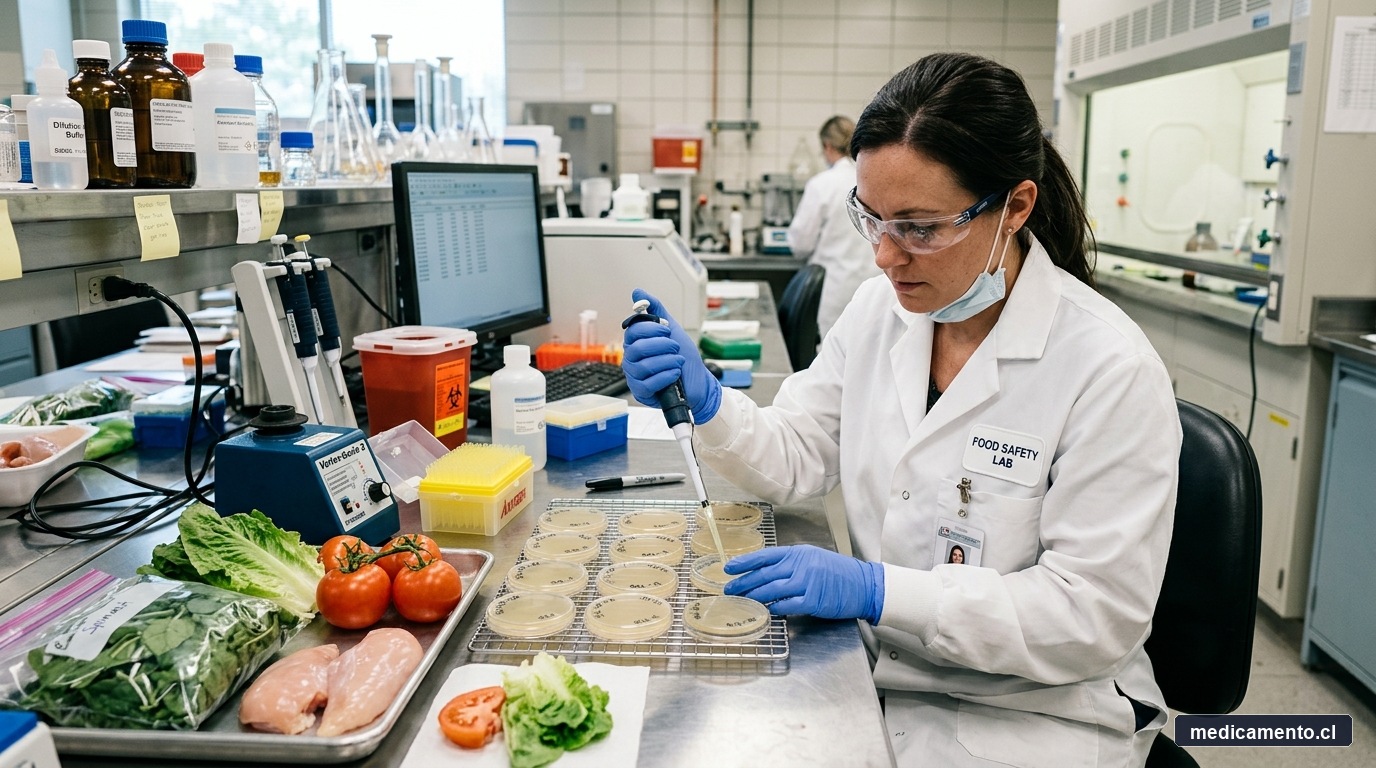
<p>Washington, D.C., 30 September 2026 (PAHO) – Health authorities from the Americas today approved a new regional strategy to strengthen food safety systems and reduce foodborne diseases, which affect an estimated 43.7 million people and cause around 78,000 deaths in the Region each year.</p>
<p>Adopted by the&nbsp;63rd Directing Council of the Pan American Health Organization (PAHO), the Strategy and Plan of Action on Food Safety 2026–2031 provides a regional framework to help countries strengthen national food safety systems, institutionalize science-based risk analysis, and improve regional cooperation in preventing, detecting and responding to food safety risks.</p>
<p>Foodborne diseases place a significant burden on public health, food security, tourism and trade across the Americas. Children under five years of age, older adults, immunocompromised individuals and other populations in vulnerable situations are disproportionately affected.&nbsp;</p>
<p>Food safety risks are also becoming increasingly complex. Environmental and climatic factors can increase hazards such as mycotoxins and disrupt cold chains and water systems, while food fraud and new food technologies create additional pressures. As international trade expands, hazards can spread more rapidly across borders, underscoring the importance of strong surveillance systems, traceability mechanisms and effective cooperation between countries.</p>
<p>To address these challenges, the new strategy places greater emphasis on prevention and on strengthening the capacities needed to identify, assess and manage food safety risks across the food chain before they result in foodborne illnesses.&nbsp;</p>
<p>"Unsafe food is a preventable threat to health, but preventing it requires strong systems that can identify risks early and act before people become ill," said PAHO Director Dr. Jarbas Barbosa. "As food systems become more interconnected, countries need stronger surveillance, laboratory capacity, risk analysis and cooperation to detect hazards quickly and protect consumers."</p>
Estudio / Documentación Técnica: Organización Panamericana de la Salud (OPS/OMS) — “Strategy and Plan of Action on Food Safety 2026–2031”. Ver publicación original
Nota de traducción y rigor: Los datos metodológicos, conclusiones clínicas y evidencia de este estudio fueron íntegramente traducidos, sintetizados y adaptados al español por el equipo editorial de Medicamento.cl con fines exclusivos de actualización médica y farmacológica.